 FREE SHIPPING ON ORDERS OVER $159+ | REGISTER & GET $20!
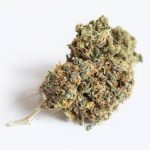


CBD, or cannabidiol, is a chemical compound derived from the cannabis plant. Unlike THC (tetrahydrocannabinol), CBD is non-psychoactive, meaning it does not produce the "high" associated with marijuana.
## Sources of CBD
- **Hemp**: CBD is primarily extracted from hemp plants, which contain low levels of THC.
- **Marijuana**: Some CBD products can also be derived from marijuana, which may contain higher levels of THC.
## How CBD Works
CBD interacts with the body’s endocannabinoid system (ECS), which regulates various physiological processes. It may influence receptors involved in pain, mood, immune response, and more.
## Potential Benefits
- **Pain Relief**: CBD may help alleviate chronic pain and inflammation.
- **Anxiety and Depression**: Some studies suggest that CBD can reduce symptoms of anxiety and depression.
- **Epilepsy**: FDA-approved CBD product Epidiolex is used to treat certain types of epilepsy.
- **Sleep Disorders**: CBD might improve sleep quality and help with insomnia.
## Forms of CBD Products
- **Oils and Tinctures**: Liquid extracts that can be consumed sublingually.
- **Edibles**: Gummies, chocolates, and beverages infused with CBD.
- **Topicals**: Creams and balms intended for localized treatment of pain or skin conditions.
- **Capsules**: Pre-measured doses in pill form.
## Safety and Side Effects
- CBD is generally well-tolerated, but some may experience side effects such as fatigue, changes in appetite, or diarrhea.
- It’s important to consult with a healthcare provider before starting CBD, especially if you are taking other medications.
## Legal Status
- CBD derived from hemp is legal in many places, but regulations vary by state and country. Always check local laws regarding CBD usage.
## Conclusion
CBD is a popular wellness product with potential therapeutic benefits. However, more research is needed to fully understand its effects and the best ways to use it. Always seek professional guidance when incorporating CBD into your health regimen.